
Common Electrical Projects: EV Charger Installation in Pittsburgh, PA
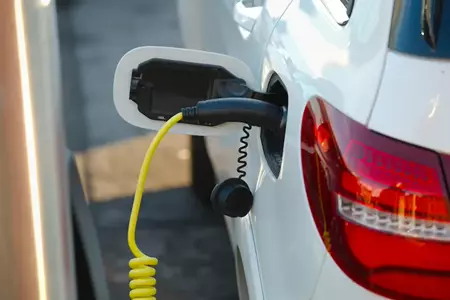
As electric vehicle adoption increases across Pittsburgh, proper home charging infrastructure has become essential. Installing a Level 2 EV charger requires more than adding a 240-volt outlet — it requires a load evaluation, correct circuit sizing, and code-compliant installation.
At Parme Electric, we provide professional EV charger installation in Pittsburgh, PA, including dedicated circuits, panel evaluations, and service upgrades when necessary. Our installations are performed to current NEC standards and local inspection requirements.
Understanding Level 2 EV Charger Requirements
Most homeowners install a Level 2 charging station, which operates at 240 volts and typically draws between 32 and 48 amps continuous load.
Because EV charging is classified as a continuous load (3+ hours) under the National Electrical Code (NEC), circuit sizing must follow the 125% rule:
Example:
- 40-amp charging → requires a 50-amp breaker
- 48-amp charging → requires a 60-amp breaker
Proper conductor sizing, temperature rating, and termination torque specifications must also be followed to prevent overheating and nuisance trips.
Protect Your Home from Electrical Hazards
Trust the Pros at Parme Electric Risk-Free Today! Get a Free QuoteElectrical Panel Capacity & Load Calculations
Before installation, we perform a residential load calculation to determine available service capacity.
In many Pittsburgh homes — particularly those built before 1990 — electrical systems may have:
- 100-amp service
- Limited breaker space
- Existing high-demand loads (A/C, electric range, dryer)
- Subpanels near capacity
A Level 2 EV charger may require:
- A new 240-volt dedicated circuit
- Panel reconfiguration
- Load balancing
- Service upgrade to 200 amps (if capacity is exceeded)
We evaluate:
- Main breaker rating
- Bus bar condition
- Available breaker slots
- Grounding and bonding compliance
- Service entrance conductor size
This ensures your EV charger operates safely without overloading your system.
Hardwired vs. NEMA Outlet Installations
EV chargers can be installed in two primary ways:
Hardwired Installation
- Directly connected to the breaker panel
- Often required for 48-amp charging
- Fewer connection points
- Typically preferred for long-term reliability
NEMA 14-50 Outlet Installation
- 240-volt receptacle installation
- Allows plug-in charger use
- Common for 32-40 amp charging setups
The correct approach depends on your vehicle, charging goals, and panel capacity.
Grounding, GFCI & Code Compliance
Modern EV charger installations must meet updated NEC requirements, which may include:
- GFCI protection (where required)
- Proper equipment grounding conductor sizing
- Weather-rated enclosures for exterior installs
- Working space clearances
- Proper mounting height and support
Improper installations can result in nuisance breaker trips, overheating conductors, or failed inspections. Our installations are designed to pass inspection and operate reliably for years.
Call Us
Connect With Us
Leave a Review
When a Service Upgrade Is Necessary
An EV charger alone can add 7–11.5 kW of additional demand to your home.
If your existing service is 100 amps and already supporting:
- Central air conditioning
- Electric appliances
- Sump pumps
- Finished basement circuits
A service upgrade to 200 amps may be recommended to maintain safe capacity and future flexibility.
We provide:
- Service upgrades
- Meter base upgrades (if required)
- Panel replacement
- Utility coordination (as needed)
EV Charger Compatibility
We install charging solutions compatible with:
- Tesla Wall Connector
- ChargePoint
- JuiceBox
- Emporia
- Ford Charge Station Pro
- And other UL-listed residential chargers
If you already own a charger, we can install it. If not, we can help you select a model that fits your electrical system and charging needs.
EV Charger Installation in Pittsburgh, PA
Parme Electric provides professional EV charger installation throughout Pittsburgh and surrounding communities.
Our process includes:
- On-site electrical evaluation
- Load calculation and panel assessment
- Code-compliant installation
- Testing and verification
- Final inspection coordination (if required)
If you are planning to install a Level 2 charger, schedule a professional evaluation to ensure your system is properly prepared.
Technical Frequently Asked Questions
Most residential Level 2 chargers operate between 32–48 amps continuous load. Circuit sizing must follow NEC continuous load rules.
It depends on existing load. A full load calculation is required to determine available capacity.
Hardwired installations are generally preferred for higher amperage charging and long-term reliability.
Permit requirements vary. We ensure installations meet applicable local codes and inspection standards.
Our Latest Projects
Our Recent Articles
-
EV Charger Installation at Home
Ready to bring EV charging home in Coraopolis, PA? This guide explains how a licensed electrician from Parme Electric evaluates your panel capacity, what permits and inspections may be involved, and what the installation day looks like. If you want more detail on the steps our […]