
EV Charger Installation in Coraopolis, PA: Panel Capacity, Permits, and What to Expect
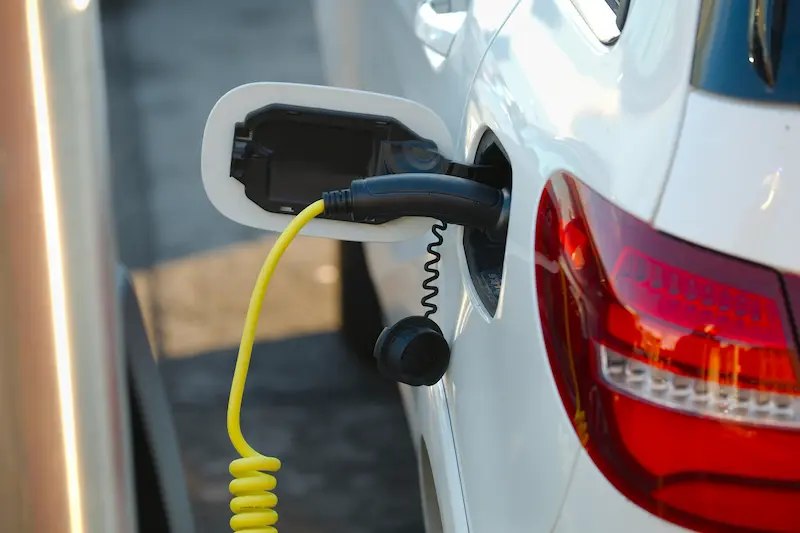
Ready to bring EV charging home in Coraopolis, PA? This guide explains how a licensed electrician from Parme Electric evaluates your panel capacity, what permits and inspections may be involved, and what the installation day looks like. If you want more detail on the steps our team follows, visit our car charger installations page.
Homeowners in neighborhoods like Moon Township, Robinson Township, and Neville Island often have similar questions: Will my electrical panel handle a Level 2 charger? How long does it take? What should I expect during the visit? Below you will find clear answers tailored to typical Western Pennsylvania homes and seasons.
Why Panel Capacity Matters for Home EV Charging
Your electrical panel is the heart of the system. Many homes have capacity to add a dedicated circuit for a Level 2 charger, but some do not. A licensed electrician performs a load calculation to see if your existing service can support an EV supply circuit without tripping breakers or creating nuisance issues.
Older homes in the Coraopolis area may have fewer open breaker spaces or smaller main service ratings. Newer homes often have more capacity, yet large appliances like electric ranges, dryers, hot tubs, or HVAC equipment can still push a panel near its limits. That is why a professional assessment is essential.
What a Licensed Electrician Checks
- Main service rating and available breaker spaces
- Condition of the panel, grounding, and bonding
- Distance and route from panel to charger location, including wall type and obstructions
- Indoor versus outdoor mounting needs and weather protection
- Placement that supports safe cable management and comfortable charging
If the panel lacks room or capacity, options may include a subpanel or a service upgrade. Your electrician will explain pros and cons so you can make an informed choice. Always hire a licensed electrician so the work meets code and supports your vehicle’s warranty and safe operation.
Permits, Codes, and Inspections in Coraopolis
EV charger work typically requires a permit and a final inspection. Exact steps vary by municipality and utility. Your electrician will prepare drawings or a simple scope, submit the permit as required, and coordinate inspections so the work is approved when finished.
Expect your installation to follow current electrical safety standards for EV supply equipment. This helps make sure the charger, wiring, and protection devices are properly sized and installed. Permits and inspections protect your home and warranty while documenting that the work met applicable requirements at the time of installation.
When Utility Coordination May Be Needed
Most projects connect to your existing service without utility changes. In some cases, the utility may need to verify meter capacity or schedule a brief service shutoff while upgrades occur. Timing can depend on utility workloads and season. Your electrician will advise if coordination is needed after the load calculation and site review.
Installation Timeline: What to Expect
Timelines vary with home layout, material availability, and the local permitting queue. Straightforward jobs can move quickly once the permit is approved. Projects that require a longer wire run, a subpanel, or exterior trenching may take more planning and staging. Schedule ahead during winter and spring when demand and weather can affect timing.
Here is a typical sequence that many Coraopolis homeowners experience:
- Site assessment and load calculation
- Permit application and approval
- Installation day with safety testing and startup
- Final inspection as required
If you want a deeper dive into how our team sequences each step, check the overview on car charger installations. It outlines the common project path from first call to final inspection.
Choosing the Right EV Charger for Your Home
Level 1 charging uses a standard 120V outlet and is the slowest option. Most homeowners choose Level 2 for convenient overnight charging. A Level 2 charger typically uses a dedicated 240V circuit and can replenish daily miles during one night’s charge in many driving scenarios.
When selecting a charger, your electrician may discuss:
- Amperage settings and how they align with your panel capacity
- Hardwired versus plug-in units and appropriate outlet types
- Cable length for your parking setup and how to avoid trip hazards
- Smart features such as scheduling, load sharing, and usage monitoring
Some homeowners consider future-proofing if they plan to add a second EV later. Your electrician can plan conduit routes or panel space to make an expansion easier down the road.
Where To Place the Charger: Garage, Driveway, or Carport?
Location affects comfort, safety, and cable management. Garages provide shelter and easy cable storage. Driveways and carports often need weather-rated hardware and smart routing to keep cords out of foot paths. Think about how you park, where snow piles up, and whether visitors will walk near the charging area.
Placement Tips That Fit Coraopolis Homes
Homes on hills or narrow lots, common in older parts of town, may benefit from a wall-mount near the vehicle’s charge port to avoid stretching the cable. Detached garages in Moon and Kennedy Township may need a longer run of conduit and careful planning around landscaping or hardscape. In every case, the goal is a neat install that stands up to freeze-thaw cycles and salt spray from winter roads.
Safety And Maintenance Tips From Your Local Electrician
EV chargers are designed to be robust, but a few habits help them last. Keep the connector off the ground when not in use and store the cable on a hook. Avoid parking with the cable under a tire. If you notice wear or damage, contact a pro to assess it.
For safety and performance, never use extension cords for EV charging. Use the charging equipment as intended and ensure the dedicated circuit and protection device match the charger rating. If your garage is humid in summer or drafty in winter, your electrician may recommend an enclosure or mounting height that keeps the unit protected and easy to reach with gloves.
How Installation Impacts Daily Life
Once your charger is in, most owners charge overnight during off-peak hours if their utility plan allows it. Smart chargers can schedule charging, track energy use, and share load if you add a second unit later. If you commute along I-79 or head into Pittsburgh frequently, a reliable home setup means you start each day with the range you need without detours.
If you are comparing installers, our EV charger installation team in Coraopolis at Parme Electric focuses on craftsmanship you can see: clean conduit runs, labeled breakers, and clear instructions for everyday use. The aim is a setup that looks like it has always belonged in your home.
What Affects Project Complexity
No two homes are the same. Factors that can influence the scope include panel location, wall construction, attic or basement access, outdoor mounting needs, and distance to the parking spot. Weather can also affect scheduling and the installation approach. Your electrician will tailor the plan to your home’s layout to keep the run tidy and code-compliant.
On sloped driveways or tight garages, cable management matters. A well-placed holster and a short, direct route help prevent accidental pulls and keep guests safe. Talk with your electrician about the way you park and the side of your vehicle that has the charge port so the design fits your routine.
What To Expect On Installation Day
The crew will protect floors where they work, mount the charger in the agreed location, run the circuit, and label the breaker. They will test the equipment, review basic operation, and confirm that the vehicle starts charging. Any follow-up inspection will be scheduled and coordinated so you know when to expect it.
You can help by making clear space near the panel and the mounting area, securing pets, and avoiding use of high-draw appliances during testing. This keeps the visit efficient and lets the electrician focus on finishing details that make a difference day to day.
Seasonal Considerations In Coraopolis
Winter cold can make cables stiffer. A slightly higher mounting height can make coiling easier with gloves. Summer humidity calls for good ventilation or an indoor garage placement if possible. In fall, leaves and grit can collect around outdoor installations, so plan for a clean pad or wall surface.
If your driveway faces prevailing winds off the river, a sheltered corner can reduce snow drift against the charger. These small choices add up to a better experience in Western Pennsylvania’s changing seasons.
Get Started With an EV Charger Installation in Coraopolis
When you are ready, call Parme Electric at 412-329-8853 to schedule a licensed electrician for your Coraopolis home. We will evaluate your panel, handle permits, and coordinate any required inspections so you can plug in with confidence. To see how we approach projects like yours, explore our page on home ev charger installation and then book a visit that fits your schedule.
Charging at home should be simple, safe, and reliable. With a tailored plan and professional work, you can enjoy a full battery each morning and fewer stops during the week. We look forward to helping you power up your EV in Coraopolis, PA.