
When Should You Replace Old Electrical Wiring in Your Home?
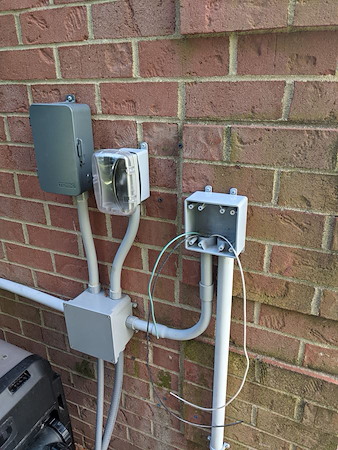
Old wiring can hide behind finished walls for decades, but the risks are real. If you are wondering about electrical wiring replacement in an older Kennedy Township home, you are not alone. Homeowners across Allegheny County deal with outdated wiring, two-prong outlets, and panels that struggle with today’s appliances. If an inspection uncovers issues, many residents look into having code violations corrected so the home is safe and reliable for the long term.
Below, you will find clear signs that it is time to replace wiring, what a licensed residential electrician evaluates, and how a project typically unfolds in an occupied home. You will also see why local factors in Kennedy Township, Robinson Township, and nearby neighborhoods can speed up wear on older electrical systems.
Clear Signs Your Wiring Is Outdated
You do not need to open a wall to notice everyday symptoms that suggest your wiring is past its prime. Pay attention to these patterns and call a licensed electrical contractor if you see them more than once.
- Frequent breaker trips or fuses blowing when you run a microwave, space heater, or hair dryer.
- Lights that dim or flicker when large appliances start.
- Outlets or switches that feel warm to the touch, look discolored, or make crackling sounds.
- Two-prong ungrounded outlets in older rooms, especially bedrooms and living areas.
- Fabric or cloth-insulated wiring visible in basements or unfinished areas.
- Aluminum single-strand branch circuits common to some homes from the late 1960s and 1970s.
- Aged electrical panels with limited breaker spaces, corrosion, or handwritten labels that no longer match the circuits.
Never ignore repeated breaker trips or a burning smell from outlets or the panel. These are warning signs that deserve immediate attention from a residential electrician.
Local insight: Kennedy Township winters are cold and long, and electric space heaters, holiday lighting, and sump pumps push older circuits harder. Summer thunderstorm surges can also stress weak connections, so preventive checks in late fall and spring are smart timing.
Common Types Of Old Wiring In Allegheny County Homes
Homes across Kennedy Township, McKees Rocks, Coraopolis, and Crafton span many eras. That means different wiring types behind the walls. A professional will identify what you have, then recommend repair or replacement that fits your situation.
Knob-and-Tube Wiring
Knob-and-tube is often found in houses built before the 1940s. The conductors are separated by air and supported on ceramic knobs, with tubes protecting wires through joists. While knob-and-tube was safe when installed, it lacks grounding and often has brittle insulation after many decades. Insulation added over attic runs can trap heat. If you see ceramic knobs in your basement or attic, ask a licensed electrician to assess the system.
Cloth-Covered and Early Nonmetallic Cable
Mid-century homes may have cloth-covered cable or early NM cable with rubber insulation. Heat and time cause the jacket to dry and crack. You might notice fraying where the cable enters metal boxes. These conditions raise the risk of arcing, which can lead to tripped breakers or more serious hazards.
Aluminum Single-Strand Branch Circuits
Some homes from the late 1960s and 1970s use aluminum conductors for 15- and 20-amp circuits. The metal expands and contracts more than copper, which can loosen terminations over time. Special connectors and methods are required when working with aluminum, and in many cases a copper pigtail or a full replacement is recommended for safety and reliability.
When Replacement Makes More Sense Than Repair
Repair can solve a single faulty connection or a damaged run, but replacement is the smarter choice when the system has widespread age-related issues. Consider full or partial house rewiring in these situations:
- Multiple rooms have ungrounded two-prong outlets, or you rely on adapters to plug in modern electronics.
- Knob-and-tube or brittle cloth wiring is present in active living spaces you plan to remodel.
- An electrician finds overheated terminations, aluminum branch circuits, or excessive splices that point to systemic wear.
- You are adding heavy electrical loads like mini-split heat pumps, EV charging, or a basement workshop.
- A home inspection for a refinance or upcoming sale highlights safety concerns.
As you plan, remember that insurers and lenders focus on safety and grounding. Bringing circuits up to modern standards improves protection for people and devices. If an inspection lists deficiencies, many homeowners start by getting code violations corrected and then move forward with targeted wiring upgrades.
What A Licensed Electrician Evaluates First
A thorough electrical safety inspection sets the roadmap. A residential electrician will document what you have and what it will take to make it safe and dependable.
Typical evaluation points include:
Panel condition and capacity. The electrician checks the main panel, looks for corrosion, verifies breaker sizes, and confirms there is room for needed circuits. If your panel is outdated or crowded, upgrades may be recommended before rewiring.
Grounding and bonding. Proper grounding protects people and appliances. The electrician verifies the grounding electrode system and bonding at metal piping or other required locations, then recommends corrections where needed.
Wiring type and insulation quality. Visible runs in the basement, attic, or garage often reveal the age and condition of hidden wiring. Brittle or cloth insulation, exposed splices, or heat damage suggest broader issues.
Protection devices. Kitchens, bathrooms, laundry areas, garages, and outdoor outlets typically need special protection. The electrician identifies where GFCI or AFCI devices are missing so you can plan upgrades as circuits are replaced.
Circuit mapping. Clear labeling helps during a project. The electrician maps key circuits, notes shared neutrals, and identifies where new dedicated circuits will improve safety and performance.
How Wiring Replacement Works In An Occupied Home
Homeowners often worry that rewiring means tearing out every wall. In many Kennedy Township homes, an experienced crew can limit openings to small, strategic access points near outlets, switches, and top or bottom plates. Expect careful planning to minimize disruption while keeping your household running.
Here is a typical flow for house rewiring without diving into any DIY steps:
- Assessment and plan. The electrician reviews priorities, discusses rooms in phases, and talks through protection devices needed in each area.
- Panel and pathway prep. The crew prepares the panel, confirms grounding, and opens small sections of drywall or uses existing chases to pull new cable.
- Circuit-by-circuit replacement. Old wiring is removed where accessible. New grounded cable is pulled to outlets, lights, and appliances, then tested.
- Device and protection upgrades. New receptacles, switches, and required protective devices are installed to match the circuit’s purpose.
- Testing and documentation. The electrician verifies polarity, grounding, and function at each device, then updates the panel schedule for clarity.
- Patch and clean. Openings are patched, and the crew cleans the workspace at the end of each phase.
Many projects happen in stages, beginning with high-priority rooms such as kitchens, bathrooms, and children’s bedrooms. The electrician may set up temporary power for key appliances to keep your routine manageable during the work.
Local Considerations In Kennedy Township, PA
Kennedy Township and nearby communities like Robinson Township, Moon Township, and Neville Island have a wide mix of mid-century and post-war homes. That often means two things. First, you may see older branch circuits tied into newer additions. Second, basements that run damp in spring can be tough on open splices and unprotected devices. A licensed residential electrician will look closely at basement circuits, laundry areas, and any outlets near the garage or exterior doors.
Seasonal weather also matters. Winter brings higher loads from heaters and portable dehumidifiers. Summer storms can cause brief outages or surges that stress weak connections. Upgrading to grounded circuits with modern protective devices helps sensitive electronics, furnaces, and sump pumps run more reliably when the weather turns.
Repair, Rewire, Or Phase The Project
There is no single path for every home. Some houses only need targeted home wiring repair in two or three rooms. Others benefit from a full house rewiring plan spread over several months. A phased plan can focus on areas with the most urgent safety needs first, then move to lower priority spaces. This approach helps limit disruption and makes planning easier for busy families.
If you are unsure where to start, a residential electrical safety inspection is an easy first step. From there, you and the electrician can decide whether repair or replacement is the right move, and in what order the work should happen.
How Rewiring Improves Everyday Living
Wiring upgrades are about more than safety. They also make daily life easier and more comfortable.
- Grounded three-prong outlets reduce nuisance shocks and protect electronics.
- Dedicated circuits prevent dimming lights when you start kitchen appliances or tools.
- Modern protection devices lower the chance of shock in kitchens, baths, and outdoor spaces.
- Clear panel labeling makes future service faster and less disruptive.
You will notice fewer tripped breakers, steadier lighting, and better performance from refrigerators, microwaves, and computers. These benefits are especially noticeable in older homes near Ingram and Crafton where additions or enclosed porches were tied into original wiring years ago.
Working With A Licensed Electrical Contractor You Trust
Choose an experienced, licensed electrical contractor who does this work daily. The right partner will listen to your goals, explain your options in plain language, and keep your home as tidy as possible during each phase. Ask how they protect floors, manage dust, and communicate progress. Good communication matters when a project touches several rooms in an occupied home.
It also helps to work with a local team that understands Allegheny County housing styles. Cape Cods in McKees Rocks, ranches along Pine Hollow Road, and two-story homes near Fairhaven Park each have different pathways for new cable and device placement.
Compliance And Peace Of Mind
The goal of any wiring upgrade is a safe, code-compliant system that protects people and property. If an inspection or home sale turns up issues, it is smart to start by getting code violations corrected so the rest of your plan builds on a safe foundation. This step brings clarity to what must be addressed now and what can wait until a later phase.
Once your wiring is updated, everyday tasks feel easier. You can plug in devices without juggling power strips, holiday lights run without dimming the living room, and you gain confidence that your system is built for today’s needs.
Smart Next Steps For Kennedy Township Homeowners
If you have noticed warm outlets, frequent trips, or flickering, it is time to talk with a pro. Start with an electrical safety inspection that documents what you have and outlines a plan you can trust. From there, you can decide on targeted home wiring repair or a phased approach to house rewiring.
For general background as you plan, you can explore electrical wiring replacement information and resources, then speak with a licensed electrician to tailor a plan to your home. Schedule your electrical wiring replacement evaluation with Parme Electric today. For fast help, call 412-329-8853 to connect with a friendly expert who serves Kennedy Township and the surrounding communities.