What Causes Circuit Breakers to Trip Repeatedly in a Moon Township, PA Home? Circuit Breaker Repair Answers
If a breaker keeps tripping in your Moon Township, PA home, it is not a random glitch. It is your electrical system telling you something is wrong. The fastest, safest way to get clarity is to schedule professional electrical repairs with a licensed team that can find the root cause and restore reliable power.
What a Breaker Trip Really Means
A circuit breaker is a safety switch. It turns power off when something abnormal happens on a circuit. That can be too much demand at once, a fault in wiring, or a device failure. Modern homes also use specialty breakers like GFCI or AFCI that trip when they sense shock or arcing risks.
When a breaker trips once in a long while, it may line up with an unusual load. When it trips again and again, the pattern points to a problem that needs attention. Do not force a breaker to stay on. Holding a tripping breaker on can hide a hazard and make damage worse.
Most Likely Causes in Moon Township Homes
- Overloaded circuits: Too many devices running on one circuit at the same time, common in kitchens, basements, or garages.
- Short circuits: A hot conductor touches neutral or ground, creating a high-current event that trips instantly.
- Ground faults: Current leaks toward ground, which GFCI outlets and breakers are designed to detect.
- Arc faults: Loose connections or damaged conductors create sparking. AFCI breakers are built to react to this risk.
- Loose or aging parts: Worn breakers, corroded lugs, or weak terminations in the panel or junction boxes.
- Appliance defects: A failing motor, heater, or compressor that repeatedly trips the dedicated circuit.
- Moisture exposure: Outdoor and garage receptacles in our river-valley climate can collect humidity that triggers nuisance trips.
In Western Pennsylvania homes, repeated trips often show up in rooms with high-demand equipment. Laundry rooms, space-heater outlets during cold snaps, and dehumidifiers or window AC units in summer are frequent culprits.
How a Licensed Electrician Diagnoses Repeated Trips
A good repair visit is systematic. Your electrician will verify breaker type and size, test the circuit, and inspect the panel and terminations. They look for heat, wear, and clues left by previous modifications. If capacity is tight, you may discuss service and panel upgrades that make the system safer and more stable long term.
- Panel health check: bus condition, torque at lugs, labeling accuracy, and room for dedicated circuits
- Load review: which appliances share a circuit, and what happens when they start together
- Protection review: GFCI and AFCI coverage where required for today’s living patterns
- Wiring integrity: signs of damaged insulation, mixed metals, or overheated connections
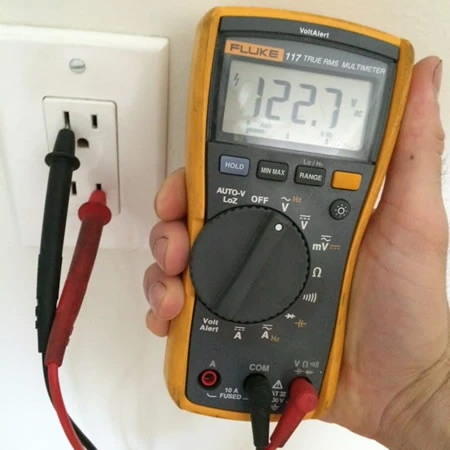
- Circuit testing: confirmation that a device or a run of cable is not causing repeated faults
The goal is to fix the cause, not just reset the symptom. Once the issue is clear, your technician will make a safe, code-compliant repair and document what changed.
Rooms and Circuits That Trip More Often
Not all areas are equal. Kitchens stack heavy loads like microwaves, coffee makers, and toasters. Bathrooms and exterior outlets rely on GFCI protection, which trips quickly when moisture is involved. Laundry rooms and basements in Moon Township homes often combine dehumidifiers, freezers, and sump pumps on nearby circuits, which can push older wiring past its comfort zone.
Garages and workshops also see frequent trips when portable heaters or power tools are used on a shared circuit. If lighting dims when a motor starts, that circuit may be due for evaluation.
When the Breaker Is Actually the Problem
Breakers are mechanical devices. After years of heat cycles and switching, some become too sensitive or fail to trip as designed. If testing shows the circuit is healthy but trips continue, the breaker itself may need replacement. When several breakers are behaving oddly or the panel shows signs of age, explore this helpful article on timing and planning: this panel upgrade guide.
In cases where your home’s electrical demand has grown, upgrading a crowded or outdated panel can reduce nuisance trips and improve safety. A modern panel creates room for dedicated circuits so big appliances do not compete for the same space.
Seasonal and Weather Factors in Allegheny County
Winter habits drive many repeat trips. Space heaters, heated garages, and longer lighting hours stack load onto older circuits. In late spring and summer, humidity and thunderstorms can expose weak connections and stress outdoor GFCI circuits. If your breakers tend to trip more after storms or during heat waves, that clue helps your electrician target the issue faster.
Local insight: Homes near the Ohio River corridor often see higher basement humidity. Moisture around garage or exterior outlets can nudge a GFCI to trip more often in summer.
Never tape a breaker on or bypass a protective device. Quick professional testing prevents small faults from turning into major damage.
Why Repeated Trips Deserve Prompt Attention
Every trip is a protective action. Repeated trips mean your system is working hard to prevent something worse. Left alone, heat and arcing can damage insulation, devices, and even nearby building materials. If you smell burning, see scorch marks, or hear buzzing at the panel, call right away. These are urgent warning signs.
Even when there is no obvious smell or noise, a pattern of trips tells a story. A licensed electrician can read it quickly, correct the hazard, and recommend any follow-up to prevent the problem from returning.
What Your Electrician May Recommend
Solutions vary by home age, wiring type, and how you use each space. After testing, your technician may suggest targeted repairs such as replacing a failing breaker, correcting a loose neutral, or separating competing appliances onto dedicated circuits. If capacity is the constraint, they may outline a plan that balances near-term fixes with future needs like an EV charger or finished basement.
When the panel is the bottleneck, pairing repairs with a properly sized upgrade can be the cleanest long-term answer. That reduces dimming, keeps motors happier, and gives you room for changes down the road.
Moon Township, PA Homeowner Examples
Here are a few common scenarios we find in the area:
- Basement dehumidifier and freezer on the same circuit, tripping during humid weeks.
- Garage outlets sharing a lighting circuit, tripping when a space heater runs.
- Kitchen small-appliance circuits overworked during holidays, tripping when multiple devices start together.
Each looks similar from the outside, but the fix can be very different. That is why a careful assessment matters more than quick resets.
How This Visit Works With Parme Electric
You get a clear plan. We arrive with stocked vehicles, confirm the fault, and explain options in plain language. If the issue is isolated, we correct it on the spot. If a broader problem exists, we help you prioritize the next steps so you can avoid repeat outages. When needed, we can also review electrical repairs that support long-term reliability without guessing.
Your Next Step: Safe, Professional Circuit Breaker Repair in Moon Township, PA
Don’t wait for the next trip. If breakers are acting up, schedule service so a licensed electrician can diagnose the real cause and make a safe repair. Start with circuit breaker repair in Moon Township, PA on our homepage, or call 412-329-8853 to talk with a pro. If you prefer, you can also explore our approach to precise troubleshooting and same-day fixes through our electrical repairs service page.
Bottom line: repeated breaker trips are a message, not a mystery. With the right testing and a careful repair, your home can run quietly and safely again.